

What Are Salivary Gland Disorders?
Salivary gland disorders affect the glands that make saliva in your mouth. These glands help you chew, swallow, and keep your mouth moist. When they do not work well, you may notice changes in your mouth. For example, you might have pain, swelling, or dry mouth. Salivary gland disorders can include infections, blockages, or even growths. In many cases, these problems are treatable. However, early care can help prevent more serious issues. According to the CDC, mouth infections and swelling are common reasons people visit the doctor for salivary gland disorders.
Common Symptoms of Salivary Gland Disorders
Many people notice signs before they get a diagnosis. For instance, you may feel pain or see swelling in your mouth or jaw. Sometimes, you may have a bad taste or dry mouth. These are called salivary gland infection symptoms. Other symptoms can include:
Sometimes, fever or chills can also happen if you have an infection. If you notice any of these signs, it is important to talk to a healthcare provider.
Causes and Risk Factors
Salivary gland disorders can happen for many reasons. For example, infections are a common cause. Bacteria or viruses can enter the glands and cause swelling. Blockages are another reason. Sometimes, a small stone can block the flow of saliva. This can lead to pain and swelling. In rare cases, tumors or growths may form in the glands. While most are not cancer, some can be. Other risk factors include:
Because some causes are preventable, good daily habits can lower your risk.
How Salivary Gland Disorders Are Diagnosed
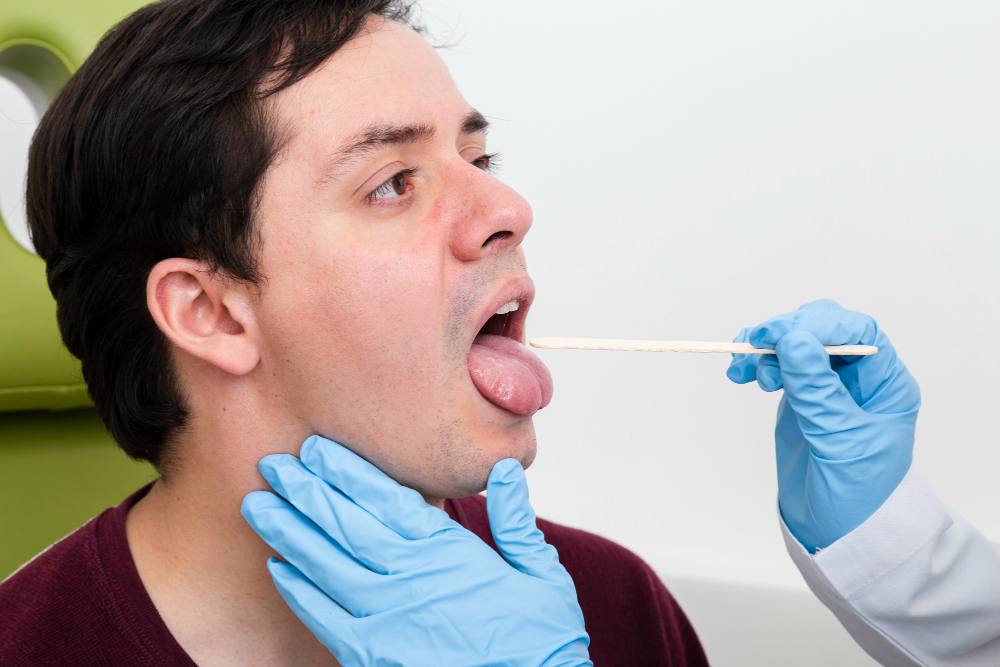
Doctors use several steps to find out if you have a salivary gland disorder. First, they ask about your symptoms and check your mouth and neck. Next, they may gently press on the swollen area to see if fluid or pus comes out. In many cases, they order tests to learn more. These tests can include:
With these tools, doctors can find the cause and plan the best treatment. According to the WHO, early diagnosis helps prevent long-term problems.
Treatment Options
Treatment for swollen salivary glands depends on the cause. For mild infections, doctors often suggest drinking more water and using warm compresses. Sometimes, antibiotics are needed if bacteria are the cause. If a stone is blocking the gland, your doctor may massage the area or suggest sucking on sour candy to help saliva flow. In some cases, surgery may be needed to remove stones or growths. Other treatment options include:
For chronic or severe cases, your doctor may refer you to a specialist. Most people recover well with the right care.
Prevention and Lifestyle Tips
There are steps you can take to lower your risk of salivary gland problems. For example, drinking plenty of water helps keep saliva flowing. Good mouth hygiene is also important. Here are some tips on how to prevent salivary gland problems:
Additionally, if you take medicines that cause dry mouth, talk to your doctor. They may suggest ways to keep your mouth moist. By following these tips, you can help protect your salivary glands and keep your mouth healthy. Consult Dr. Ankur Pareek for treatment.