

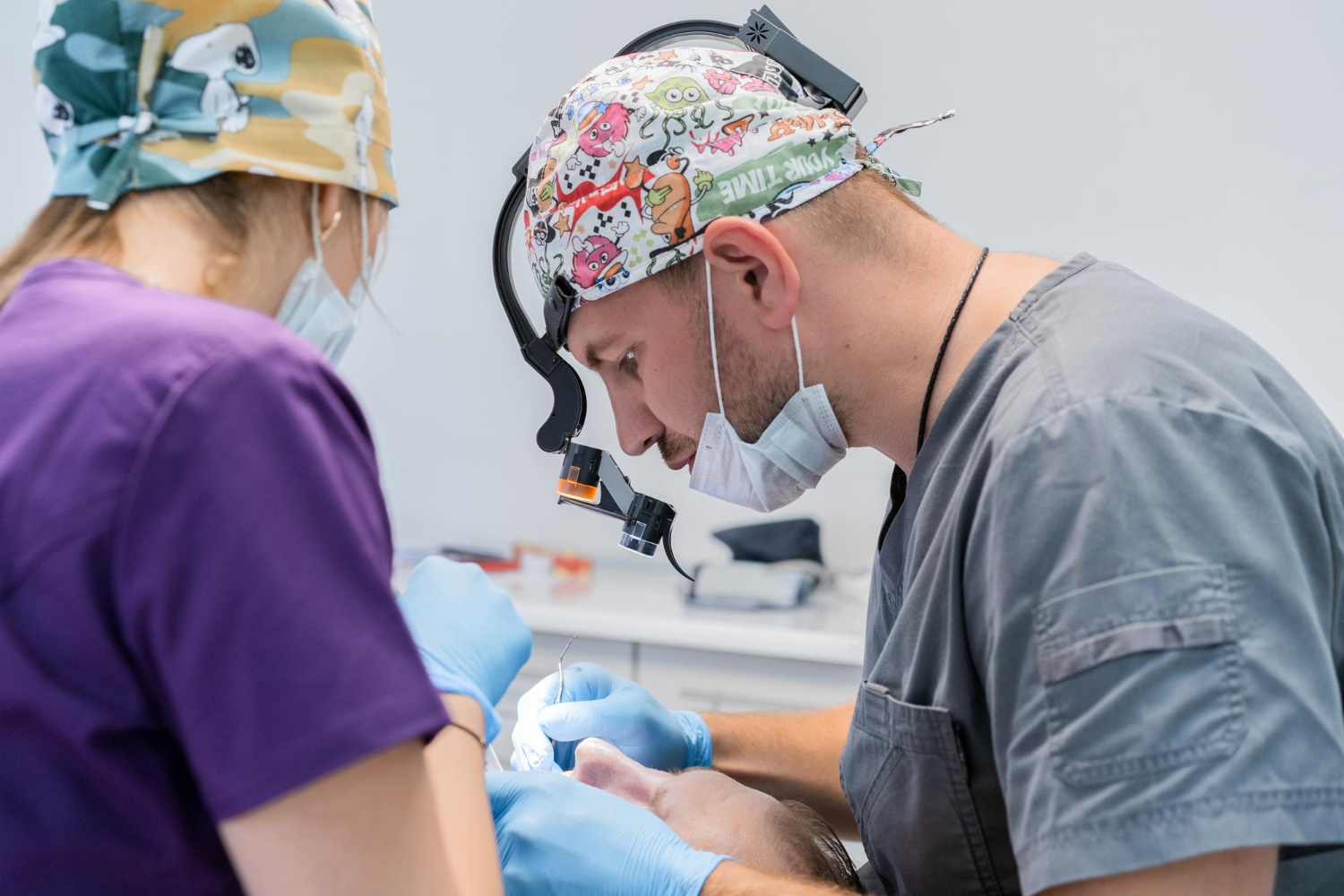
Lateral Skull Base Surgery is a specialized area of ENT and head & neck surgery used to manage selected conditions involving the structures around the lateral skull base, temporal bone, middle ear, and nearby nerves and blood vessels. These procedures require detailed anatomical knowledge and careful surgical planning because of the close proximity of important structures.
At Dr. Pareek’s Deafness Clinic and ENT Centre, lateral skull base conditions are evaluated using appropriate clinical assessment and imaging to determine the most suitable treatment approach. Where surgery is indicated, the procedure is carefully planned according to the patient’s diagnosis, symptoms, and anatomical findings.
A specialist may consider Lateral Skull Base Surgery for selected complex conditions such as:
Not every skull base condition requires surgery. A detailed evaluation helps determine whether observation, medical management, or surgical intervention is appropriate.
Before planning surgery, the specialist may assess:
Depending on the condition, investigations such as Audiometry, Tympanometry, CT scans, MRI, or other specialized imaging may be recommended.
Lateral Skull Base Surgery requires careful planning because the surgical area is located close to critical structures. The surgical approach varies according to the condition being treated.
Treatment planning may focus on:
The exact surgical technique is selected according to the patient’s individual diagnosis and anatomical requirements.
When surgery is clinically indicated, it may help:
Expected outcomes vary depending on the underlying condition, its extent, and the structures involved.
At Dr. Pareek’s Deafness Clinic and ENT Centre, we provide specialized care for complex ear, temporal bone, and head & neck conditions. Our approach to Lateral Skull Base Surgery emphasizes detailed diagnosis, careful imaging review, individualized surgical planning, and appropriate post-operative care. With extensive experience in advanced ENT surgery and hearing-related conditions, our team focuses on precision and patient safety when managing complex cases. Each patient’s treatment plan is developed according to their specific diagnosis, symptoms, hearing status, and anatomical findings, with the goal of providing appropriate and comprehensive specialist care.