

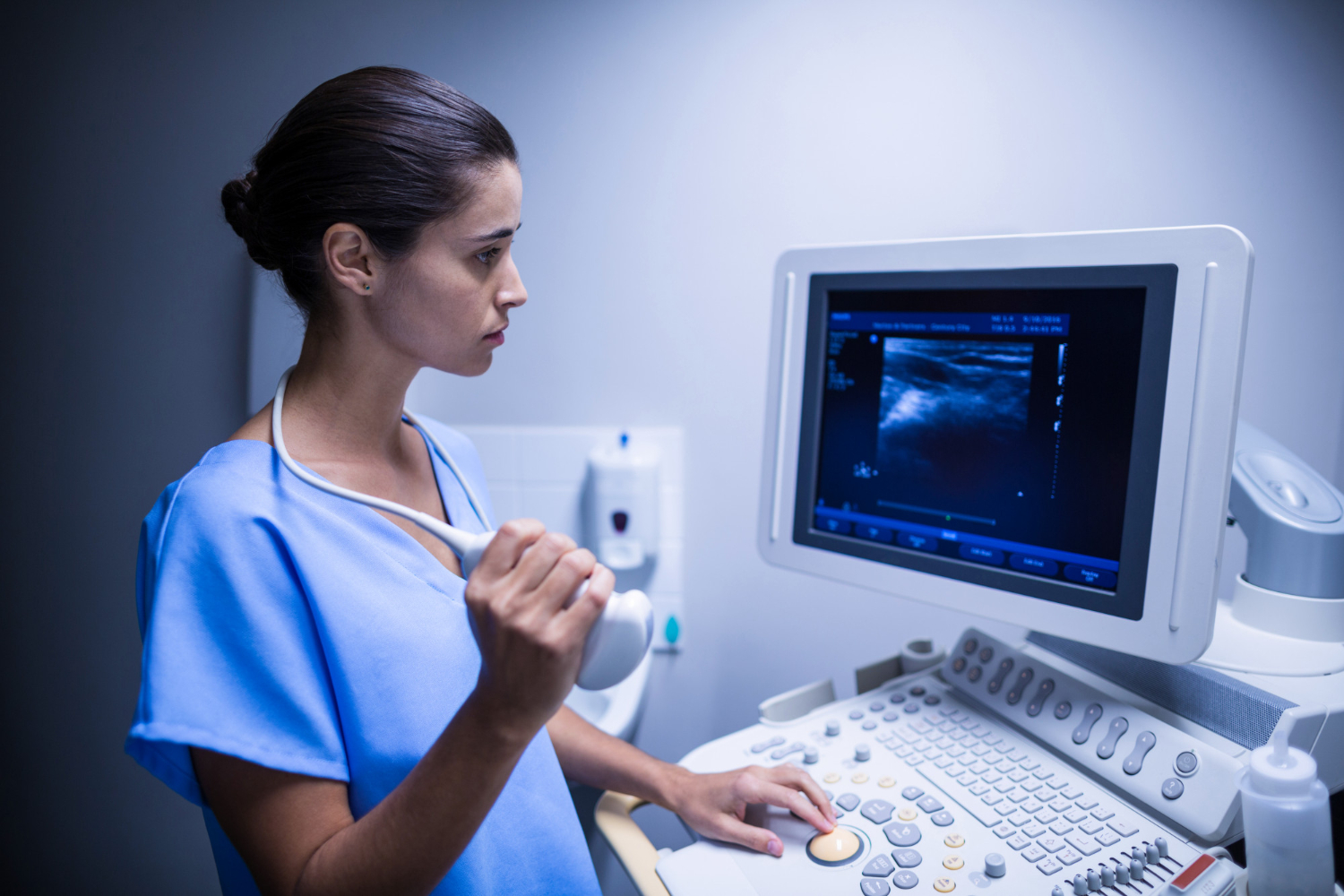
VNG (Videonystagmography) is a specialized diagnostic test used to evaluate the vestibular system and eye movements in patients experiencing vertigo, dizziness, imbalance, or other balance-related symptoms. It helps assess how the eyes respond to different visual and positional stimuli, providing valuable information about the functioning of the inner-ear balance system.
At Dr. Pareek’s Deafness Clinic and ENT Centre, VNG testing forms part of our comprehensive Balance Services, helping specialists investigate possible vestibular causes of dizziness and develop an appropriate evaluation plan.
Your ENT specialist may recommend VNG testing if you experience:
A detailed clinical history and ENT examination are generally performed before deciding whether VNG is appropriate.
During a Videonystagmography test, specialized video goggles equipped with infrared cameras monitor and record eye movements. These movements provide important information about how the vestibular system and brain coordinate balance.
Depending on the testing protocol, the patient may be asked to:
The recorded eye movements are analyzed to identify patterns that may suggest abnormalities in the balance system.
VNG can provide information about:
The test results are interpreted alongside symptoms, medical history, physical examination, and other investigations.
Depending on your symptoms, VNG may be considered alongside other diagnostic tests, including:
Combining appropriate tests can provide a more comprehensive understanding of hearing and balance function.
A VNG test can help:
At Dr. Pareek’s Deafness Clinic and ENT Centre, we provide comprehensive vertigo, balance, and vestibular evaluation supported by specialized ENT expertise. VNG (Videonystagmography) can help assess patients experiencing recurring dizziness, vertigo, and imbalance by providing objective information about eye movements and vestibular function. Our specialists consider VNG findings together with clinical symptoms and hearing assessments to develop an individualized evaluation plan. With a focus on accurate diagnosis and patient-centered care, our centre provides comprehensive support for patients seeking specialized vertigo and balance services.