

What is Eustachian Tube Dysfunction?
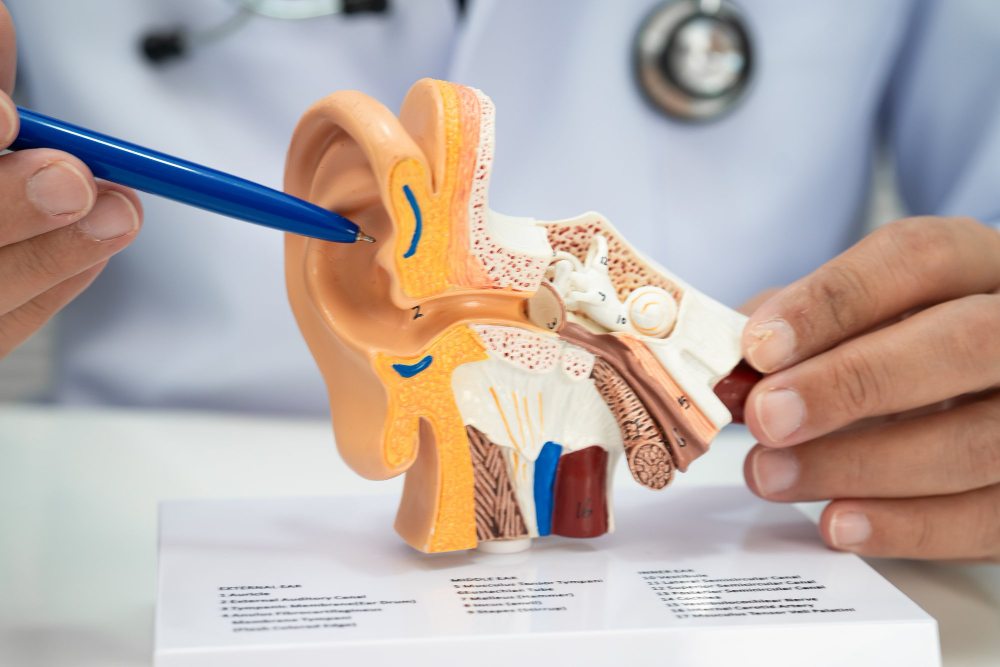
Eustachian Tube Dysfunction happens when the small tube connecting your middle ear to the back of your nose does not work well. This tube, called the Eustachian tube, helps balance air pressure and drains fluid from your ear. When it does not open or close properly, you may feel discomfort or pressure in your ears. In many cases, Eustachian Tube Dysfunction can affect both children and adults. According to the CDC, this condition is common and often linked to allergies or colds.
Common Symptoms
Many people with Eustachian Tube Dysfunction notice changes in their ears. For example, you might feel:
However, symptoms can come and go. Sometimes, they last only a few hours. Other times, they may persist for weeks.
Main Causes and Risk Factors
Several things can cause Eustachian Tube Dysfunction. Often, it starts with swelling or blockage of the tube. Some common causes include:
In addition, certain risk factors make Eustachian Tube Dysfunction more likely. For example, children have shorter and straighter tubes, so they are at higher risk. People with frequent allergies or sinus problems are also more prone to this condition.
How Eustachian Tube Dysfunction is Diagnosed
Doctors use several methods to diagnose Eustachian Tube Dysfunction. First, they will ask about your symptoms and medical history. Next, they may look inside your ears with a special tool called an otoscope. This helps them check for fluid, swelling, or infection. Sometimes, your doctor may perform a hearing test or use a device to measure ear pressure. In rare cases, imaging tests like a CT scan may be needed. According to the American Academy of Otolaryngology, these steps help rule out other ear problems.
Effective Treatment Options
Treatment for Eustachian Tube Dysfunction depends on the cause and severity. Many cases improve on their own. However, some people need medical help. Common treatments include:
But, you should always talk to your doctor before trying any medicine. Overuse of some sprays can make symptoms worse.
Lifestyle Tips and Prevention
There are simple steps you can take to prevent or ease Eustachian Tube Dysfunction. For instance:
Additionally, keeping your home free from dust and allergens can help. If you have frequent symptoms, regular check-ups with your doctor are important.
When to See an ENT Specialist
Sometimes, Eustachian Tube Dysfunction does not improve with home care. If you have symptoms lasting more than two weeks, or if you notice severe pain, hearing loss, or fluid draining from your ear, it is time to see an ENT specialist. Early treatment can prevent complications and protect your hearing. For those living in your local area, many ENT clinics offer expert care for Eustachian Tube Dysfunction.
In summary, Eustachian Tube Dysfunction is common but treatable. If you have ongoing ear problems, consult an ENT specialist Dr. Ankur Pareek for personalized advice on Eustachian Tube Dysfunction.