
What is Otosclerosis?
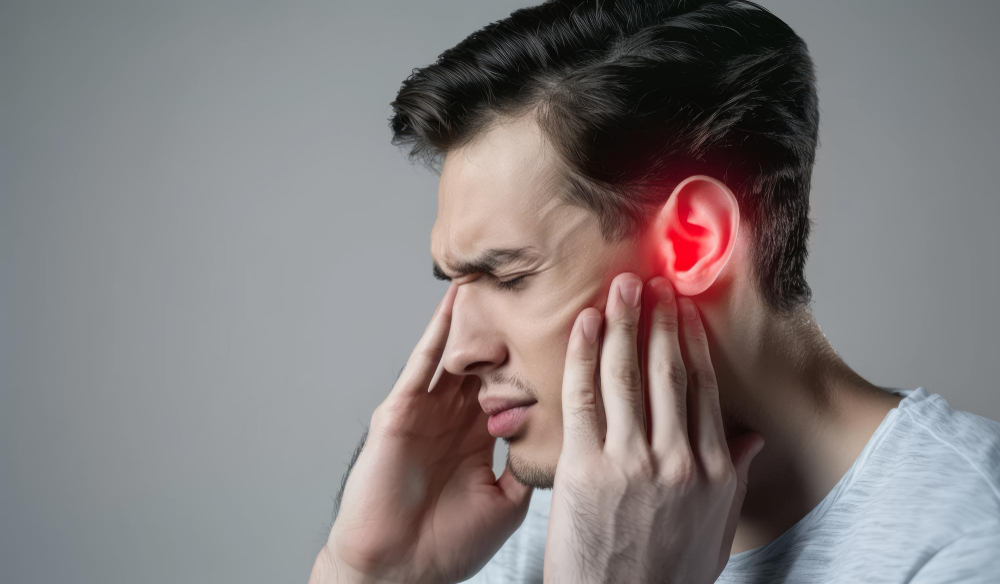
Otosclerosis is a condition that affects the bones in the middle ear. Because of this, it can cause hearing loss. The word “otosclerosis” means hardening of the ear. In most cases, the bone around the tiny ear bones grows abnormally. As a result, the bones cannot move as they should. This makes it hard for sound to pass from the outer ear to the inner ear. Otosclerosis is a common cause of hearing loss in adults. According to the World Health Organization, many people worldwide live with hearing loss due to otosclerosis.
Symptoms of Otosclerosis
Otosclerosis symptoms often start slowly. For example, you may notice mild hearing loss at first. Over time, symptoms can get worse. However, not everyone has the same signs. Common symptoms include:
Sometimes, people find it easier to hear in noisy places. Yet, this is not always the case. If you notice any of these signs, it is important to talk to a healthcare provider.
Causes and Risk Factors
Doctors do not know the exact cause of otosclerosis. Still, several factors can raise your risk. For instance, family history plays a big role. If a parent has otosclerosis, you are more likely to get it. In addition, women are more likely than men to develop this condition. Hormonal changes, such as during pregnancy, may also increase risk. Other possible risk factors include:
Although these factors can increase risk, anyone can develop otosclerosis.
How Otosclerosis is Diagnosed
Early diagnosis helps manage otosclerosis and prevent further hearing loss. First, your doctor will ask about your symptoms and family history. Next, they will look inside your ears using a special tool. After that, you may need a hearing test. This test, called an audiogram, checks how well you hear sounds at different pitches. Sometimes, doctors use another test called tympanometry to see how your eardrum moves. In some cases, a CT scan may help show changes in the ear bones. According to the CDC, these tests are safe and help doctors find the cause of hearing loss.
Treatment Options for Otosclerosis
There are several otosclerosis treatment options. The best choice depends on how severe your hearing loss is. For mild cases, doctors may suggest regular hearing checks. If hearing loss gets worse, you may need more help. Common treatments include:
Because each case is different, your doctor will help you choose the right treatment.
Living with Otosclerosis
Living with otosclerosis can be challenging. Yet, many people manage their symptoms well. For example, hearing aids can help you stay connected with others. If you have surgery, you may need some time to recover. During this time, follow your doctor’s advice for the best results. In addition, support groups can offer help and understanding. If you live in a large city, you may find local resources or clinics that specialize in hearing loss due to otosclerosis. With the right care, most people can lead active lives.
Prevention and Outlook
Currently, there is no sure way to prevent otosclerosis. However, early diagnosis and treatment can protect your hearing. Because family history is a strong risk factor, let your doctor know if relatives have had the condition. Regular hearing checks can catch problems early. Consult Dr. Ankur Pareek now.