
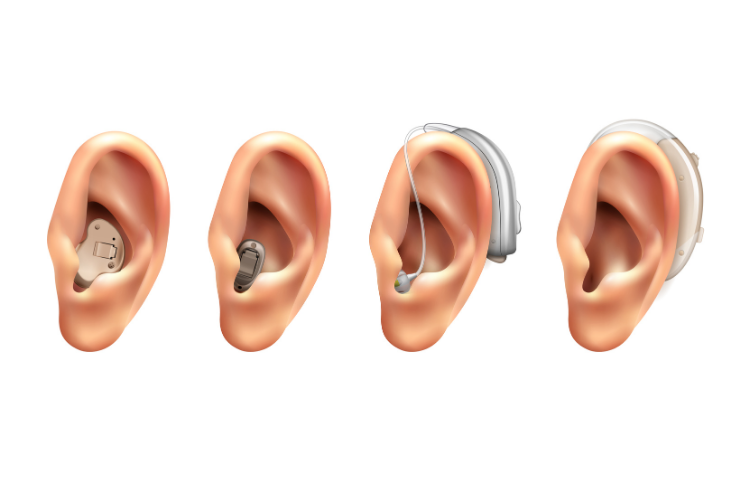
A Cochlear Implant is an electronic hearing device designed for individuals with significant sensorineural hearing loss who receive limited benefit from conventional hearing aids. Unlike hearing aids, which amplify sound, a cochlear implant directly stimulates the auditory nerve through an implanted electrode system.
At Dr. Pareek’s Deafness Clinic and ENT Centre, cochlear implant evaluation forms part of comprehensive hearing and hearing restoration services. A detailed assessment helps determine whether a cochlear implant may be suitable based on the individual’s hearing level, age, communication needs, medical history, and previous hearing-aid experience.
A cochlear implant evaluation may be considered for selected children and adults with severe to profound hearing loss who have limited benefit from appropriately fitted hearing aids.
Evaluation may be recommended when there is:
Early evaluation can be particularly important for children with significant hearing loss because timely hearing rehabilitation can support speech and language development.
Before recommending implantation, a multidisciplinary assessment may include:
Detailed hearing tests such as Audiometry, OAE, BERA, and Tympanometry may be performed when clinically appropriate to understand hearing function.
Previous hearing-aid use and benefit are assessed to determine whether conventional amplification provides adequate access to speech and environmental sounds.
Speech understanding and communication abilities may be evaluated to help determine potential benefit from cochlear implantation.
The ear and overall medical condition are evaluated, and imaging may be recommended to assess the inner-ear anatomy and auditory pathway before surgery.
For suitable candidates, cochlear implant surgery involves placing an internal device beneath the skin and positioning an electrode array within the cochlea. The external sound processor captures sounds and communicates with the implanted component.
Following surgery, the device requires activation and programming. Hearing rehabilitation and consistent auditory training are important parts of the overall cochlear implant journey.
For appropriately selected patients, cochlear implants may help:
Results vary between individuals and depend on factors such as duration of hearing loss, age at implantation, auditory development, and rehabilitation.
At Dr. Pareek’s Deafness Clinic and ENT Centre, we provide comprehensive cochlear implant evaluation and hearing restoration care based on individual hearing needs. Our specialists combine detailed ENT examination with appropriate hearing assessments to determine whether cochlear implantation may be suitable. Tests including Audiometry, OAE, BERA, and Tympanometry may support the evaluation process. When implantation is considered, careful assessment and treatment planning are essential before surgery, followed by device activation and rehabilitation. Our patient-focused approach aims to provide appropriate guidance for children and adults with significant hearing loss seeking advanced cochlear implant and hearing restoration services.